Tag Archives: Habitat

Urgent: Reserves and parks not enough to protect nature – David Attenborough
GR: As the human population and impact grows, wildlife is declining worldwide just as in the U.K. The National Wildlife Federation Backyard Wildlife Habitat program covers basic ideas. Start there. Then, look for opportunities to recommend other sites. As Attenborough says, many other places that we modify and use can be habitat.
 “Broadcaster calls for radical new approach to conservation, urging people to use all spaces from gardens to roadside verges to help wildlife.
“Speaking at the RSPB’s Conference for Nature in London, Attenborough said it was now understood that British wildlife was in grave peril of disappearing. “50% of the hedgehog population has gone in 25 years, 90% of the wildlife meadows have disappeared in 100 years; 60% of all wildlife is diminishing and in danger, with 10% doomed to disappear in the next decades. Nowhere in Britain is unsullied, is unaffected by human action. We now have a huge population living cheek by jowl with nature.” Source: www.theguardian.com
English Ivy: Good for birds

Shelter, foodstuff, pollen source … ivy is so valuable to wildlife, even though it is maligned by many a gardener
On Sunday I watched a blackbird almost strip an ivy of its berries, gobbling each one whole in a few, satisfying gulps.
Source: www.theguardian.com
GR: Of Eurasian origin, English Ivy grows well in the arid climate in central Arizona where I live. There were several patches climbing on walls and trees when I moved to Coldwater Farm. The Ivy requires supplemental water, and cannot spread at the expense of native plants. Pollinators like the flowers, and several sparrow species roost beneath the leaves and try a berry now and then. Red-winged Blackbirds like the berries, and Northern Flickers eat them when it’s too cold for ants to be out.
More International Pressure On Wildlife Crime
 GR: Does anyone else feel that the poaching problem is growing worse?
[IPS] Quito -A surge in wildlife crime is fueling criminal syndicates, perpetuating terrorism, and resulting in the loss of major revenues from tourism and industries dependent on iconic species while also endangering the livelihoods of the rural…
Source: allafrica.com
Habitat loss in U.S. blamed for decline of monarch butterflies

Planting milkweed in the south and central United States would provide the largest immediate benefit,”
Read or download the article here (free).
See on latino.foxnews.com
Help save the grasslands – Prescott, Arizona

The meeting is in Prescott, AZ on Thursday, June 5.
“The health of these grasslands is critical for a number of species,” said Dee Kephart, habitat specialist for the Game and Fish Department’s Region 3 office.
The agencies signed the grasslands strategy in 2010 and update it every year so they can work together on common goals. The strategy covers about 750,000 acres and uses pronghorn antelope as an indicator species about the health of local grasslands.
“Pronghorn are an ideal species to examine because they are so closely tied to this type of habitat,” Kephart said. “They are heavily dependant on their eyesight, so open spaces are critical.”
North America’s central grasslands are considered one of the most threatened ecosystems on the continent and in the world, the strategy notes.
See on www.prescottaz.com
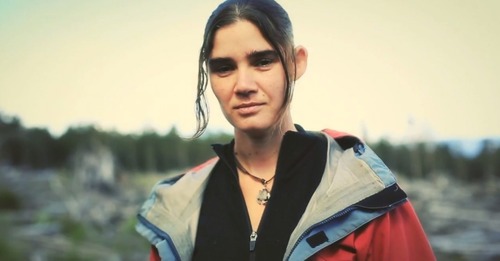
She Spent 449 Days Living In A Tree, But This Forest Is Still Falling
See on urbantimes.co
 GarryRogers Nature Conservation