Arizona Wildlife Notebook Revised – #Wildlife, #Arizona, #Conservation

Arizona Wildlife Notebook
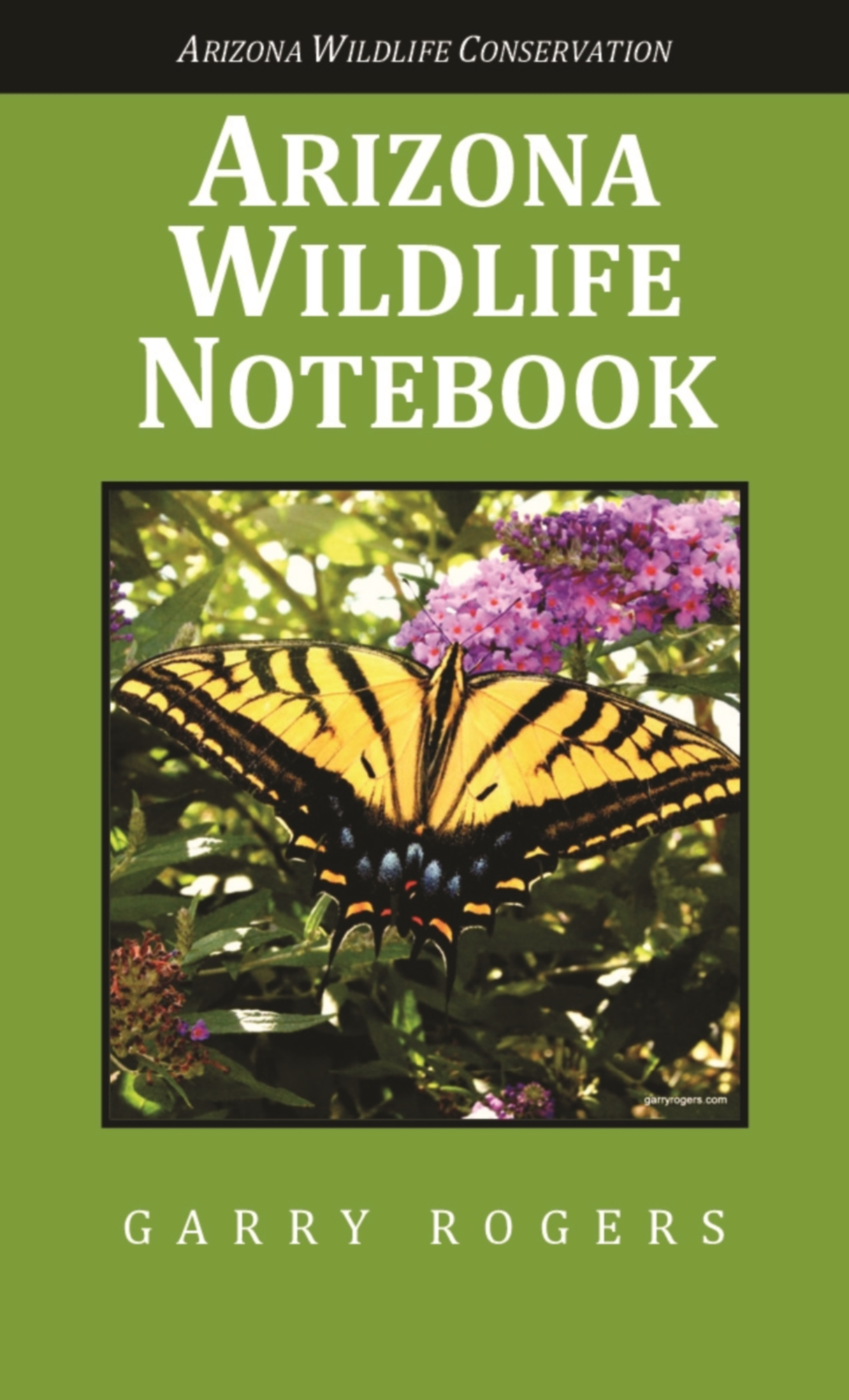
A new edition of the “Arizona Wildlife Notebook” is available.

In the year, 2015, lethal heat waves and storms made it clear that humanity was changing the Earth.  Anyone who paid attention to the news knew that Earth’s animals and plants were disappearing.

Animal Declines

This figure from the review by the World Wildlife Fund (2014) shows that, from 1970 to 2010, Earth’s animals declined by 52%.

I have come to believe that nature conservation is the great challenge of our time. Human beings are imposing a mass extinction that will eliminate almost all animals on Earth. We may not be able to stop this, but I believe that the Notebook will be useful for anyone who hasn’t given up and wishes to work to protect Earth’s creatures.

Arizona Species Conservation Status

For this edition of the Notebook, I added more information on conservation.  The table below shows group status for species that AZGFD specialists consider critically imperiled (S1), imperiled (S2), and vulnerable (S3).  It also shows group status according to the Endangered Species Act (ESA) for Threatened (LT) and Endangered (LE) species.  I didn’t include butterflies, moths, damselflies, and dragonflies in this table because the status of most species in those groups is unknown.

Many species that the AZGFD says are critically imperiled are not given national recognition and protection by the U. S. Endangered Species Act (ESA).  It seems that only after species are mostly gone that protection becomes available.  Thus, the ESA achieves very little overall protection from biodiversity loss.

ARIZONA WILDLIFE CONSERVATION STATUS

Species Group

Total  minus

Exotic & Extinct

AZGFD

S1+S2+S3

ESA

LT+LE

Amphibians

31

18 (58%)

2

Birds

451

260 (58%)

9

Fish

40

40 (100%)

13

Lizards

67

27 (40%)

0

Mammals

189

64 (34%)

15

Snakes

76

35 (46%)

1

Turtles

10

6 (67%)

2

TOTAL

864

450 (52%)

42

The third column shows how many species AZGFD considers at risk.  For instance, all native Arizona fish species are at risk, and about one-third of native Arizona mammals are at risk.  Being “at risk” usually means that numbers are dropping.  The principal causes are construction of buildings and roads, and invasive plants and animals.

Click–Arizona Wildlife Notebook–for a free copy of the 168-page book formatted as a PDF “fillable form.” If you like the book, tell others. Write a review for Amazon: http://mybook.to/AZWildlifeNotebook , or Goodreads: http://bit.ly/1Mkgmei.  If you would like to review a printed copy of the book, send a note using the form below.  Thank you.

Now that you’ve downloaded the book, you have a conversation-starter for tonight’s warm-up party for World Animal Day!

Go back

Your message has been sent

Warning
Warning
Warning
Warning

Warning.

Long-eared Bat: Fish and Wildlife Service Bows to Pressure From Industry, Politicians

Press Release from the Center for Biological Diversity

Fish and Wildlife Service Proposes Weakened Protections for Vanishing Bat:  Feds Bow to Pressure From Industry, Politicians

long-eared-bat-flying“After pressure from industries and politicians critical of the Endangered Species Act, the U.S. Fish and Wildlife Service today issued an alternate proposal to protect the northern long-eared bat only as “threatened” rather than “endangered” and included a special rule that would continue to allow many activities that harm the bat, including logging. The less-protective proposal comes despite the fact that the bat, which has been decimated by the fungal disease known as white-nose syndrome, has already declined by up to 99 percent in the Northeast.
“Today politics won out over science and law,” said Mollie Matteson, a senior scientist with the Center for Biological Diversity. “This is an especially dark day in the sad saga of the northern long-eared bat, because this species needs as much help as possible right now, and instead the government has decided to put the wishes of industry before the needs of a vanishing animal.

“With its latest proposal to downgrade the listing status of the northern long-eared bat from endangered to threatened, and allow exemptions for activities that might result in harm to the bat, the Fish and Wildlife Service has retreated dramatically from its original recommendation. Listing decisions under the Endangered Species Act are supposed to be based strictly on the best available science, and not on economic, political or other factors. Underscoring this, in November more than 80 bat scientists sent a letter to Fish and Wildlife director Dan Ashe, urging him to follow through with his agency’s recommendation to list the species as endangered.  A final decision from the agency is due on April 2.” (read more).


Arizona Wildlife Notebook Second Edition

Arizona Wildlife Notebook Introduction

Base Layer for Notebook Cover

Base Layer for Notebook Cover

The second edition of my “Arizona Wildlife Notebook” will be off to the printer (CreateSpace) as soon as I finish the cover.  This edition has introductions and checklists for 12 groups of Arizona animal species:  Amphibians, ants, bats, birds, butterflies and moths, dragonflies and damselflies, fish, grasshoppers, lizards, mammals, snakes, and turtles.  Groups in bold type are new to the Notebook.  The introduction to each group covers the group’s conservation issues and provides references for printed and online field guides.  The checklist for each group includes scientific and common names and conservation status.  I alphabetized each checklist by scientific name, and I included an index for all the common names. Continue reading

Arizona Bat Update–November 2013

By Garry Rogers

Arizona Bat Peril Increases

Big Brown Bat from Smithsonian North American Mammals

The most important change since my last post about Arizona bats is the increased risk of white-nose syndrome.  The disease continues to spread west from its point of introduction on the U. S. Atlantic coast despite research and quarantine efforts.  In September, 2013, researchers confirmed the disease had reached Oklahoma and South Dakota (http://whitenosesyndrome.org/resources/map).

The entities that gain most from
bat extinction are insecticide producers.

Continue reading

Wildlife Rescue in Arizona

Wildlife Rescue in Arizona

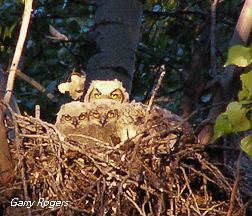
Great Horned Owl chicks

Great Horned Owl chicks

“Baby animals you see are probably not orphans; parents are usually nearby.”

Wildlife Rescue in Arizona is licensed by the Arizona Game and Fish Department.  Visit the AZGFD website for a list with contact information and taxa treated.  A second list includes other animal charities in Arizona.  Find more information from local veterinarians and animal control departments of local governments.

These organizations provide additional information:

Bat Future Uncertain as Numbers Decline

Benefits of Bats

Bats in Austin TX

Bat Watching at Congress St Bridge–Austin TX

Bats are encouraged to reside in many places because they eat insects and pollinate plants.  Austin, Texas, for instance, is proud of its large bat population, and refers to itself as Bat City.  I am anxious to see more bats near my home because they eat mosquitoes, my personal nemesis.  Little Brown Bats can eat 1,000 mosquitoes per hour.

GBH proividing scale for my bat house.A bat house built in my back yard in 2004 remained vacant until 2011.  The house has room for 600 bats, but only 11 moved in.  The number did not increase in 2012—still waiting to see what happens in 2013.  The house is near three large stock ponds.  Dragonflies, hummingbirds, flycatchers, and swallows find plenty of insects to eat during the day, so it seems reasonable to expect the house will eventually be home to more than 11 bats.

Human Impacts

The only entities that gain from bat extinction are insecticide producers.

Continue reading

Arizona Wildlife Notebook, Volume I: The Vertebrates

Wildlife Notebook: The Vertebrates

Arizona Wildlife Notebook, Volume I: The Vertebrates

This notebook has complete checklists for the amphibians, birds, fish, mammals, lizards, snakes, and turtles that live in Arizona. A brief introduction to each checklist provides references to field guides and notes on conservation. Symbols in the lists show the conservation status of all Arizona species as of July 1, 2012.

Continue reading