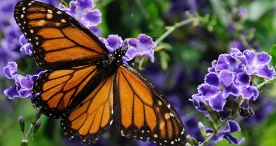
Help Stop the Wildlife-Killer Bill in Congress 060616 – Defenders of Wildlife

It’s supposedly an energy bill, but the “North American Energy Infrastructure Act of 2016” contains a lethal dose of anti-wildlife amendments that will lead to dead wolves, dead bears and the destruction of many important wildlife protections.

And while pro-oil, pro-coal, climate change denying provisions are despicable, the anti-wildlife measures are equally catastrophic.

Tell your senators to protect wildlife and oppose this deadly bill!

More: Help Stop the Wildlife-Killer Bill in Congress 060616 – Defenders of Wildlife

Save

Wildlife Weekly Wrap-up – Defenders of Wildlife Blog

Weekly Wildlife Wrap-up Stories

Cracking Down on Ivory

This week, the U.S. Fish and Wildlife Service finalized new regulations to help protect elephants from the demands of the ivory trade. Previous rules had loopholes that allowed those selling illegal ivory attempt to pass it off as legal. But with the new regulations comes a near-total ban on the commercial trade of ivory in the U.S., putting an end to the trade of products that had served as a cover for illegal ivory. More than 300,000 African elephants are killed for their ivory tusks each year, pushing the species closer to the brink of extinction.

Learn about the new ivory regulations

Back in the Wild Again . . . .

A Bear Doesn’t Care . . . .

Protect the Pallid! . . . .

Source: Wildlife Weekly Wrap-up – Defenders of Wildlife Blog

Save

Australian state MP admits eating elephant he shot in Zimbabwe | Australia news | The Guardian

A member of the New South Wales parliament belonging to the Shooters, Fishers and Farmers party has revealed he once shot and ate an elephant while hunting in Zimbabwe.Robert Borsak has previously admitted shooting an elephant during an African hunting tour, with a picture of the state senator kneeling beside the kill sparking controversy.

According to the Zambezi Society, a conservation group, elephant populations in Zimbabwe have fallen dramatically in the past 15 years, particularly in the Middle Zambezi Valley, where last January there were around 11,500 elephants, down from 18,000 in 2001.

Source: Australian state MP admits eating elephant he shot in Zimbabwe | Australia news | The Guardian

Save

Elephants could vanish from one of Africa’s key reserves within six years | Environment | The Guardian

Elephants could disappear from one of Africa’s most important wildlife reserves within six years unless industrial scale poaching is stopped and mining is brought under control, the WWF has said.

Selous national park, a world heritage site in southern Tanzania, has lost an average of almost 2,500 elephants a year since the 1970s. But it has now reached a crtitical stage with only about 15,000 left, according to the latest census.

“The population is at an historic low. and urgent measures are required to protect the remaining animals and return the population to a stable and sustainable size. If this trend continues, elephants could vanish from Selous by early 2022,” says the WWF in a new study.

Source: Elephants could vanish from one of Africa’s key reserves within six years | Environment | The Guardian

Save

Agreement turns I-35 into pollinator haven | Finance & Commerce

GR:  It is definitely time to get serious about pollinator protection.  Unfortunately, this agreement is not binding and it does not mention mowing or herbicides, the principal roadside vegetation management tools of departments of transportation.  If I-35 roadsides start to become wild and rough, it will be a sign that the effort to aid pollinators is sincere.  Fingers crossed!

DES MOINES, Iowa — Soon, passengers zipping along Interstate 35 will see a lusher refuge and more food for bees and butterflies in the hopes of helping the insects boost their declining populations, six states and the Federal Highway Administration announced Thursday.

That 1,500-mile stretch of road from northern Minnesota to southern Texas is a flyway for monarch butterflies that migrate between Mexico and Canada, and is surrounded by acres of public land that can serve as friendly territory for the bees and butterflies that pollinate the plants that produce much of the nation’s food, such as fruits and vegetables.

But the monarch butterfly has lost population in recent years, which researchers say is due in part to shrinking stands of milkweed, on which butterflies feed and lay eggs. And last year, beekeepers reported losing about 40 percent of honey bee colonies in part due to pesticide use, habitat loss and parasites.

The agreement signed Thursday by officials from Minnesota, Iowa, Missouri, Kansas, Oklahoma and Texas and the federal government is meant to improve the habitat and develop a branding campaign to informally name the interstate the Monarch Highway.  Source: Agreement turns I-35 into pollinator haven | Finance & Commerce
What Do Elephants and Cocaine Have in Common? – Scientific American Blog Network

Wildlife products and drugs both fuel massive levels of international crime, according to a new United Nations report.

A massive new report published this week by the United Nations Office on Drugs and Crime (UNODC) proves what conservationists have been saying for years: smuggling of wildlife products is huge business.

The report—compiled from records of 164,000 seizures related to wildlife crime in 120 countries—details the illegal trade in flora and fauna used to create furniture, fashion items, cosmetics, food and medicine, and jewelry, as well as the rampant smuggling of live animals for the pet trade and entertainment venues.

Source: What Do Elephants and Cocaine Have in Common? – Scientific American Blog Network

Is the lion the new rhino?

Is poaching coming to the domain of the lion? This is the third of these brutal incidents in less than a week.

Source: Is the lion the new rhino?

Thailand closes dive sites over coral bleaching crisis

Thailand coralIn a rare move to shun tourism profits for environmental protection, 10 popular dive sites have been shut down in a bid to slow a coral bleaching crisis.

Thailand has shut down 10 popular diving sites in a bid to slow a coral bleaching crisis, an official said Thursday, in a rare move to shun tourism profits to protect the environment.

The tropical country’s southern coastline and string of islands are home to some of the world’s most prized white sand beaches and scuba sites, and the booming tourism industry props up Thailand’s lagging economy.

But warming waters and ever-growing swarms of visitors have damaged coral reefs and local ecosystems.

Source: Thailand closes dive sites over coral bleaching crisis | Environment | The Guardian

Meet Chloe | Fight for Rhinos

The Hoedspruit Endangered Species Centre is a South African wildlife sanctuary devoted to rehabilitating endangered and vulnerable animals, most notably the cheetah and rhino. In recent weeks, they…

Source: Meet Chloe | Fight for Rhinos