Review: The Human Impact

Goudie, Andrew S.  2009.  (Fifth edition)  The human impact on the natural environment:  Past, present, and future.  John Wiley & Sons, New York.  376 p.

Human impacts are often subtle and complex.  They easily escape our notice as they make small cumulative changes in the environment.  Only by intensive analysis of the chemistry and spatiotemporal dynamics of particles, forces, and flows can some be detected.  But as human population and land use have grown, so has the visibility of the impacts.

In this book, British geographer Andrew Goudie gives well-illustrated discussions of many types of human impacts.  With examples drawn from hundreds of studies, Professor Goudie summarizes a broad selection of previous research.  Though the environmental changes he describes often seem to be a result of human activity, determining causes is difficult or impossible with the present information.

Following an introduction to the development of human attitudes toward nature, Goudie presents chapters on vegetation, animals, soil, water, geomorphology, and climate.  The book ends with a discussion of the current opinions on human influence on environmental change.

When The Human Impact was first published in 1981, one reviewer, Paul Ward English, said, “this is an unusually fine book.”  I agree.

Buy the book at the Naturalist’s Bookstore.  Search the ‘Human Impacts’ category.

Consuming Nature

Poachers Slaughter Thousands of Central Africa’s Elephants (via Environment News Service)

YAOUNDE, Cameroon, February 6, 2013 (ENS) – Poachers have killed some 11,000 elephants in the Central African country of Gabon since 2004, finds a study by the Gabonese National Parks Agency, WWF and the Wildlife Conservation Society released today. “Gabon, refuge of biodiversity in the Congo Basin…

The Conflict Begins to Boil

On Feb. 13, 2013, for the first time in its 120-year history, the Sierra Club participated in civil disobedience to protest the Keystone XL Pipeline and the general lack of action on global warming.

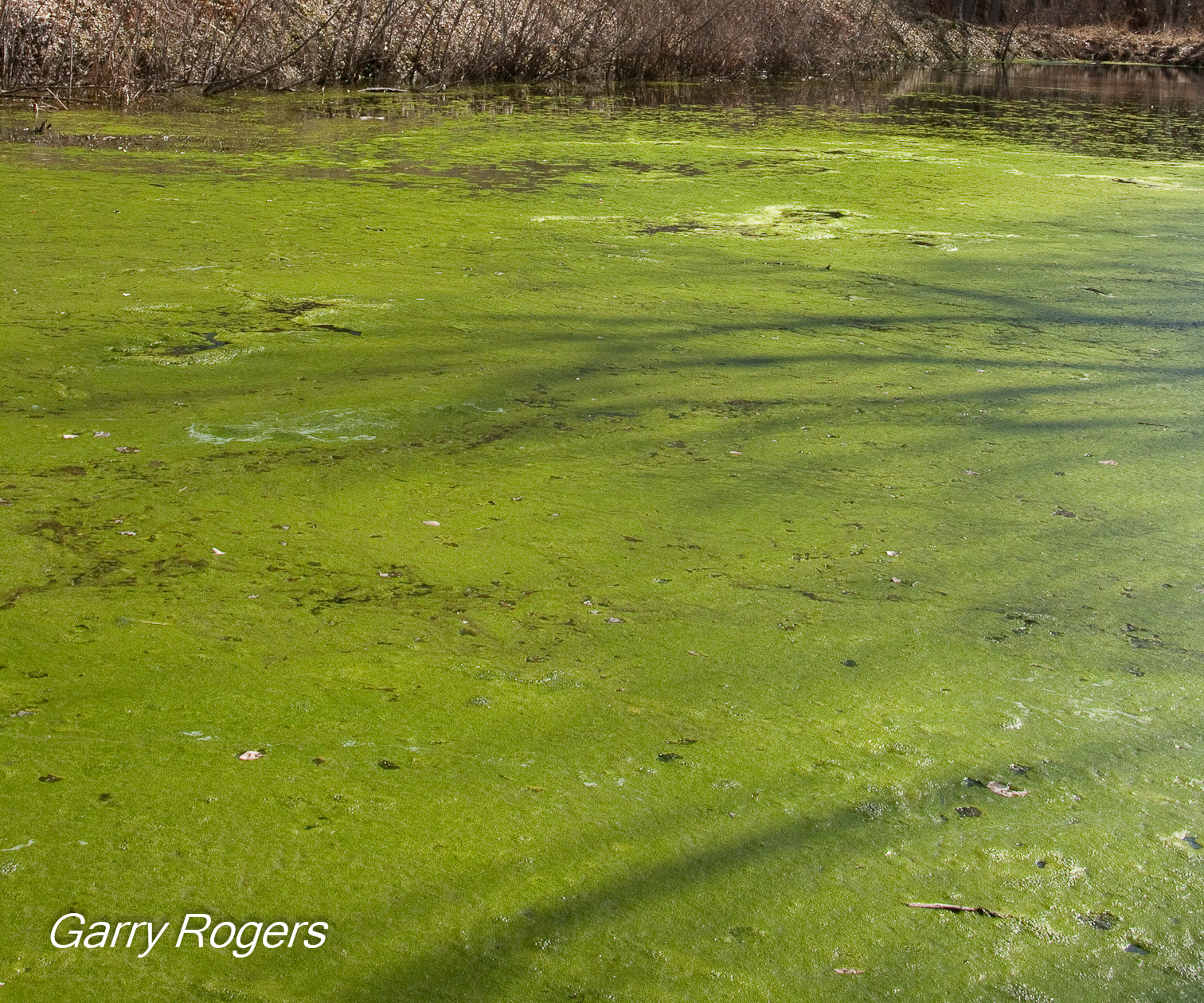
Algae Bloom Background

Fertilizer applied to a nearby farm has enriched natural water bodies to unsustainable levels. Algae blooms use up the oxygen and kill off fish and other wildlife. Come close and see the bubbling surface.

Global environmental conditions are deteriorating. Ignorance can no longer defend guilt:  Dirty air and water have become familiar to all.

It is time to revise our institutions. We must find ways to curb the greed that continues a natural resource harvest that leaves no hope for the future.

Living Near a Superfund Site

Soil, Water, and Plant Toxicity From the Iron King Mine and Humboldt Smelter

The Iron King Mine and Humboldt Smelter

The Iron King Mine and Humboldt Smelter

Mining near Humboldt, Arizona began in the mid 1800’s.  The Iron King Mine operated from 1904 until 1969 and produced a huge pile of waste rock and tailings.  The Humboldt smelter was active from the late 1800’s until the early 1960’s.  Like the mine, it produced a large pile of tailings.

The EPA conducted testing near the two sites and determined that there was a health risk for people, animals, and plants.  Some cleanup took place in 2006, and the two sites were placed on the National Priority List in 2008 (http://1.usa.gov/13HtsMe).

After the Super Fund Site designation, I asked to be included in the preliminary testing for toxic materials in soil and water.  The EPA representative told me that there was no need to do testing around my home.  My house is about 1 1/4 miles East-Northeast of the main tailings pile.  At the time, I supposed that the scientists involved considered my home to be a safe distance from the tailings.  According to the 1500+ page Remedial Investigation Report of 2010 (http://1.usa.gov/13HtsMe), no samples were taken more than about a mile from the Sites. Continue reading

Arizona Wildlife Notebook, Volume I: The Vertebrates

Wildlife Notebook: The Vertebrates

Arizona Wildlife Notebook, Volume I: The Vertebrates

This notebook has complete checklists for the amphibians, birds, fish, mammals, lizards, snakes, and turtles that live in Arizona. A brief introduction to each checklist provides references to field guides and notes on conservation. Symbols in the lists show the conservation status of all Arizona species as of July 1, 2012.

Continue reading

Garry Rogers’ Nonfiction Page is Up!

My nonfiction page was just published.  It includes some of my work on wildlife and invasive plants.

Invasive species of animals and plants in the Great Basin Desert

The photo shows invasive animals (wild horses) surviving on invasive weeds and sunflower buds.  Ranchers remove the cows when the forage reaches this condition.  They will bring them back next spring.