Mule Deer and Fawn at Coldwater Farm

Mule Deer at Coldwater Farm

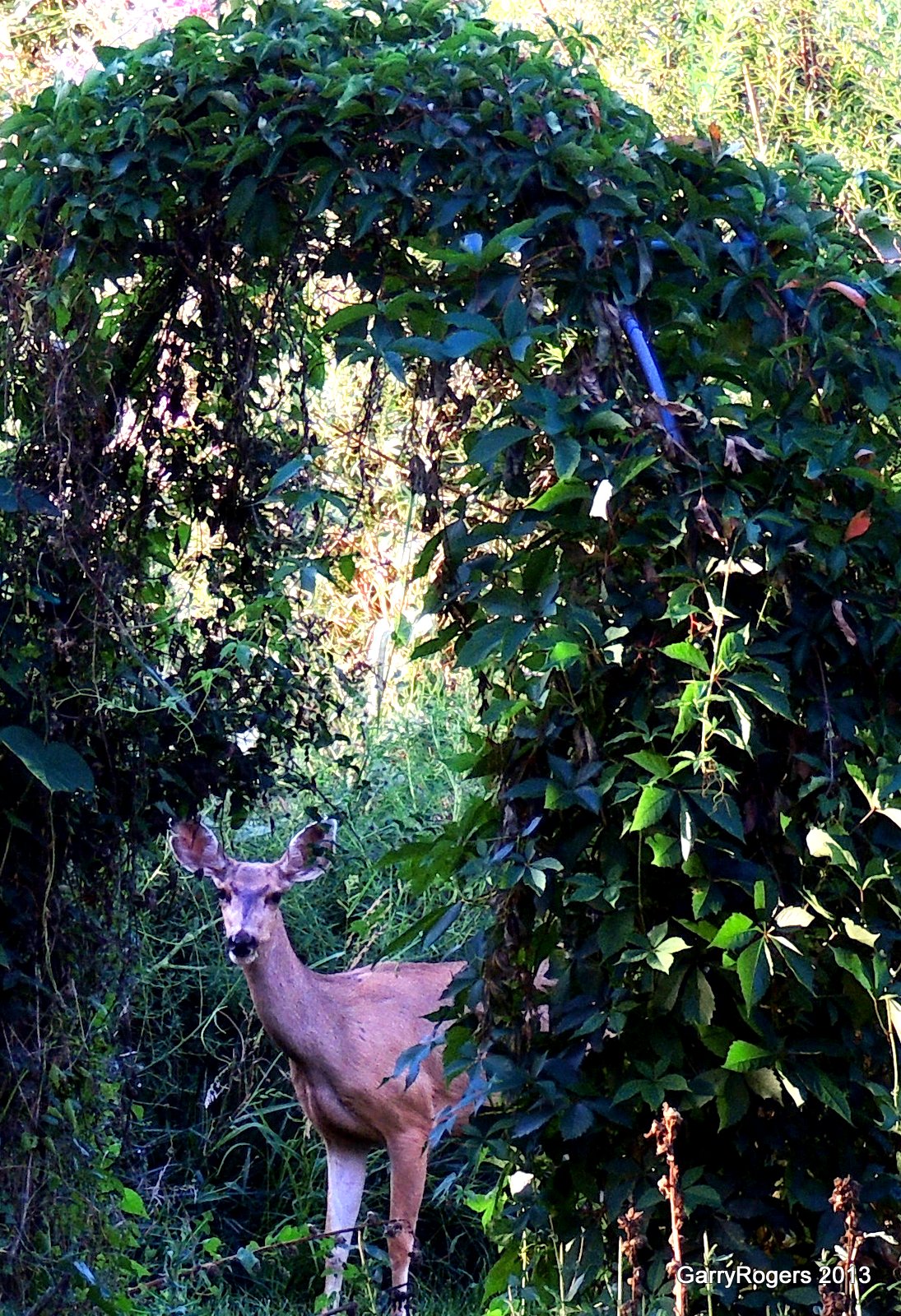
During the long drought this spring, several mule deer visited Coldwater Farm near the Agua Fria River in central Arizona.  A lone doe became a resident, and browses in the yard in the evenings and mornings.  In early August I saw a fawn bouncing about beside the doe.  Yesterday, the fawn was racing about in the cow pasture while the doe watched.

There are no cows at the farm.  The cow pasture is fallow and covered by weeds taller than the fawn.  Getting good photographs is almost impossible.  In the picture below you can probably see the fawn’s spots, but not much else.
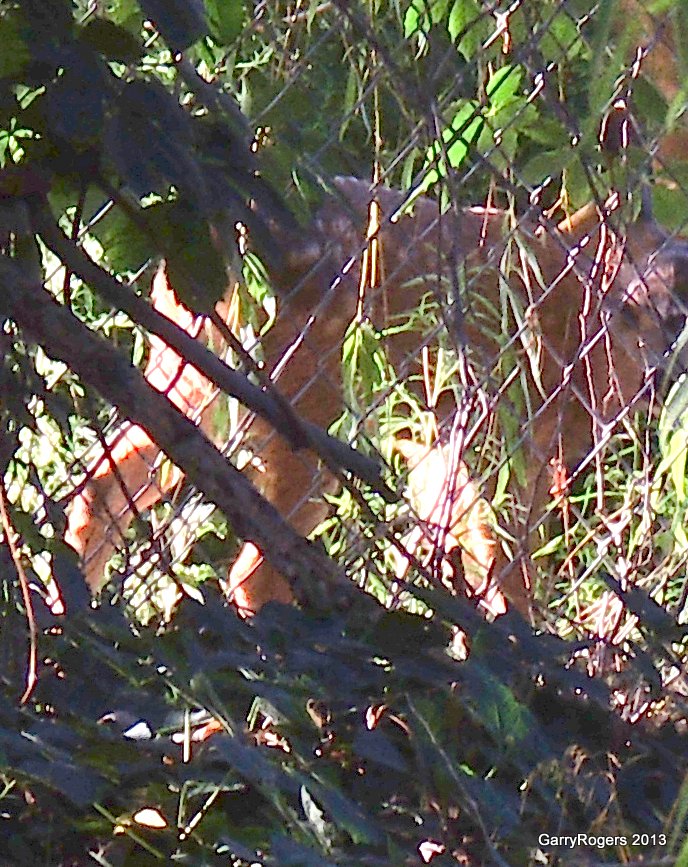
Mule Deer Fawn

Mule Deer Fawn at Coldwater Farm

Mule Deer Doe

Mule Deer Doe

The Mule Deer doe has been much easier to photograph.

Over the past 15 years, deer have visited the farm only twice, and the visits lasted just one day.  There were always dogs in the past, and now that the last dog died, deer are free to roam about the farm, and so they do.

Mule Deer Eat Almost Everything

Deer are fond of domestic roses.  When we moved to the farm in 1997, I planted 175 hedge and climbing roses in hopes of attracting deer.  The previous visitors took a few rose leaves and hips, but now, at last, the roses are being seriously browsed.  The deer like other plants too, and seem to browse all the woody plants on the place.  They especially like grape leaves, but they also eat willow, plumb, desert hackberry, and mulberry.  They also to eat a variety of weeds.

None of the woody plants have been harmed.  Perhaps the local winter and spring droughts will get worse and the deer will begin damaging the plants.  The trees and grapes are too tall for the deer to reach a significant portion of the leaves, but they might strip the bark.  Before that was necessary, the human farm manager would do his job to save the plants, and bring in hay.

Click here for more about the mammals at Coldwater Farm.

Tell me about the mammals you see.

Go back

Your message has been sent

Warning
Warning
Warning
Warning

Warning.

Butterflies and Moths of Arizona Conservation Status

Arizona Butterfly and Moth Conservation Checklist

Click here for an earlier post with a more detailed discussion.

Butterflies, just like honey bees and other pollinators, are declining because of habitat loss and because of pesticides.  Even herbicides can be deadly.  Monarch butterflies for instance, do not lay many eggs if there aren’t any milkweeds, and people routinely eradicate milkweeds along with other plants.

According to the Arizona Game and Fish Department, the conservation status of most butterflies is unknown.  Our knowledge of moths is even less complete.  Most moth species have not been identified, and there is almost no information on the conservation status of Arizona moths.  The number given below for butterflies at risk of extinction is almost certainly lower than the actual number.

Butterfly and Moth Photographs

Here are a few sample photographs of butterflies and moths seen around my home in Dewey-Humboldt on the Agua Fria River in central Arizona.  If there was a common designation of knowledge below “amateur,” it would describe my expertise with the Lepodoptera.  Thus, I could not identify some of the photographed species with confidence.  This is especially true for moths.

Continue reading

Birds of Arizona–Update

Birds

Great Horned Owl chicks

Great Horned Owl chicks

Wild birds are seen more often than the members of any other vertebrate wildlife group.  Birds include more species than the other groups, they occur in more habitats than most of the others, and they are more active during daylight hours, and during winter when other groups hide or sleep.  Add the visibility of their colors, distinction of their songs, and variations of their flight patterns, and you will understand why bird checklists are more common than checklists for other species.

The U. S. Geological Survey, Northern Prairie Wildlife Research Center website (website link in References) provides 29 bird checklists for small areas around Arizona.  The lists include seasonal occurrence and other information.  The WildBirds website owned by Thayer Birding Software provides online field guides with songs and video.  The Arizona Bird Committee (ABC) provides printable state and county checklists.  The links are in the Arizona Bird Reference list below.

Numbers of Birds

World:  10,000
*North America:  1025
*Arizona birds:  548
Arizona birds at risk of extinction:  264
*Approximately 10% are introduced or of uncertain status

Arizona Bird Conservation

Naturalists sometimes think of birds as useful indicators of general environmental conditions; the ‘canary in the coal mine’ idea.  In 2011, the Audubon Society reported that the annual Christmas Bird Count records showed that many species were declining.  For example, over the past 50 years, sightings of Loggerhead Shrikes, a common species throughout Arizona, declined by 72 percent.  Our canary has begun to sway. Continue reading

Jack is Back! #amphibians

Jack, a One-Eyed Rocky Mountain Toad

A few months ago, I blogged about the human devastation of the world’s amphibians.  In that post, I mentioned a one-eyed Rocky Mountain toad that for several years had appeared at my back door at the start of the summer monsoon.  I am pleased to report that Jack, the name I gave the toad, is back.  Toads are generally long lived, from a few years to near 40 years.  I haven’t found longevity stats for Jack’s subspecies, but he is at least four years old.

Before Roly Polie Feast

One-Eyed Rocky Mountain Toad Before Roly Polies

After Roly Polie Feast

One-Eyed Rocky Mountain Toad After Roly Polie Feast

When I first spotted Jack yesterday, the poor creature was shriveled and its back was contorted.  But after an hour-long roly polie feast, he plumped up and looked perfectly normal (except for the missing eye).  Click the photos for larger views.

Or Is It Jill?

Jack wasn’t around this afternoon.  He probably went down to the pond to try to socialize a bit.  As I type this, however, and look at Jack’s pale throat, I wonder if the name should be Jill.  Have to check that throat after the pond tour.  During mating season, throats of the males are darker than the females.

I am glad Jack and the other toads are here.  They help control the annual monsoon earwig and mosquito explosion.  Our local toads, wrens, and thrushes provide ground support for our aerial defenders, the dragonflies, hummingbirds, swallows, whippoorwills, and bats.  Though we have big swampy ponds near (200 feet) the house, the few mosquitoes that survive the fish, dragonfly larvae, other aquatic predators, rarely penetrate our aerial defenses, and if they do reach the house, they meet the toads.  If they pass the toads, they encounter the spiders.  Every doorway, window, and room has carefully monitored spider webs.

July 1, 2014.  Jill hasn’t appeared yet.

Colorado River Toad.

Back to the Arizona amphibian update.

Colorado River Toad aka Sonoran Desert Toad

Colorado River Toad (CRT) aka Sonoran Desert Toad

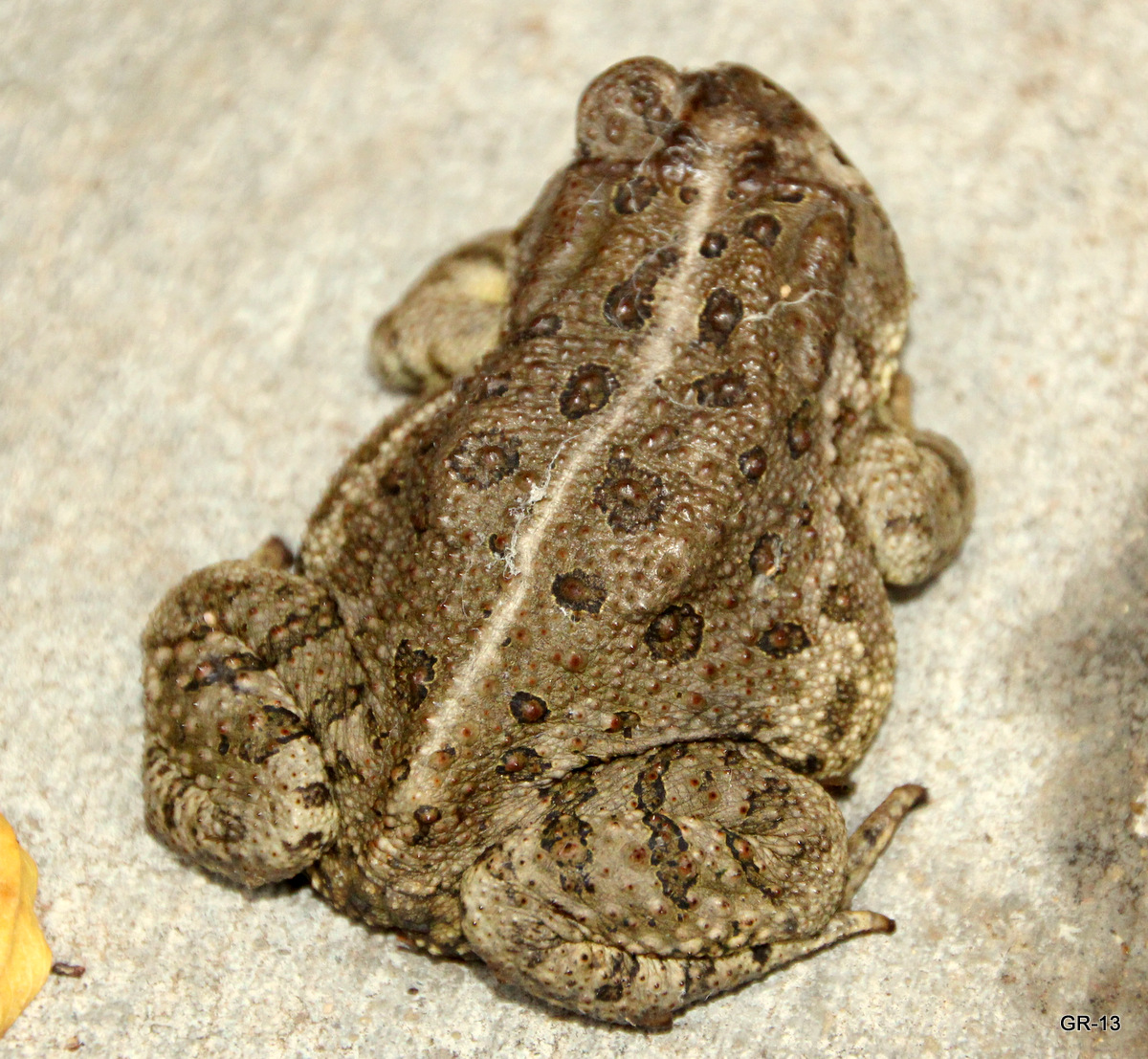
Colorado River Toad at Coldwater Farm

Colorado River Toad at Coldwater Farm

This giant toad appeared by my back step yesterday, May 13, 2013, and remained all day, moving only once in the afternoon to stay in the shade.  This is the first of these toads I have seen here, though it is obvious that this individual has been here gobbling insects and growing for at least two years.

July 1, 2014:  Haven’t yet seen the CRT.

 The California River Toad (CRT) (Bufo alvarius a.k.a. Ollotis alvariaare and Incillius alvarius) or Sonoran Desert Toad lives in southern Arizona and desert areas of New Mexico.  It formerly lived in southeastern California.  Above the desert, CRT is found near streams and lakes. My place in central Arizona is near the species’ northern limit.

At seven and one half inches long, CRTs are the largest native toads of the U. S.  This one is about five inches (and almost as wide ;-).

These toads are primarily nocturnal.  They are not as visible or noisy as the Rocky Mountain Toads that live in my yard.  Though I did not know they were here, the CRTs are probably an important reason that I have no insect problems despite the lawns around the house and the large stock ponds only a few hundred feet away.

This chubby amphibian has powerful defense toxins.  Glands on its sides, back, and legs produce the toxins.  Predators absorb the toxins through their nose, eyes, and mouth.  Dogs that mouth one of these toads can become paralyzed.  The toxin is hallucinogenic, and several states have classified it as a controlled substance.  Perhaps “toad lickers” are partially responsible for the toad’s decline.

 The CRT eats anything it can catch and fit in its mouth, even small mice.  It can enter homes through pet doors.  A welcome visitor, the toad will roam about eliminating household pests while providing amphibian decor unique to the Southwest.  I haven’t had this good fortune yet, but I am optimistic.

 The CRT has disappeared from its former range in California, and is declining in Arizona and New Mexico.  It is a candidate for protection under the Endangered Species Act.  A google search will provide more information.

One-eyed Rocky Mountain Toad.

Back to the Arizona Amphibian Update.

Agua Fria River: Hope Fades for Small Arizona Stream

Agua Fria River

The Agua Fria River passes through the small central Arizona town of Dewey-Humboldt about a half mile east of the Historical Society museum on Main Street.  It begins as a tiny wash on the north slope of Glassford Hill, widens as it sweeps around the east side of Prescott Valley, and finally becomes a perennial stream as it enters Dewey-Humboldt.  There, in small shady pools separated by sparkling riffles, the river becomes a peaceful refuge, totally out of character with its desert surroundings.  Filled in summer by the calls of Red-winged Blackbirds and in winter by the quacking laughter of migratory ducks, the river continues through the town on south through Agua Fria National Monument and Black Canyon to Lake Pleasant.

A Beautiful Desert Stream Runs Through the Heart of Dewey-Humboldt, Arizona.

A Beautiful Desert Stream Runs Through the Heart of Dewey-Humboldt, Arizona.

Continue reading

Ants, The Dark Matter of Terrestrial Ecosystems

By Garry Rogers

Ants of Arizona

Ants are a critical part of the earth’s terrestrial ecosystems.  They consume and break down large amounts of material, they control the populations of many species, and they are food for many others.  For instance, ants make up 40% of the diet of the Northern Flicker, a common Arizona bird.  Despite being small and not so visible, ants account for 15% to 25% of all animal biomass on earths land surface—far more than any other animal group.

Despite their great numbers and vital behavior, we know very little about the lives and conservation status of most ant species.  Now, with all live on earth threatened by human multiplication, the need to study ants grows greater every day.  When they disappear, ants will leave no records.  No one will know how they lived and what they accomplished.

red harvester ant worker

red harvester ant worker

The photo shows a Red Harvester Ant worker (Pogonomyrmex barbatus), carrying a seed back to the nest.  Photo by Alexander Wild (http://www.alexanderwild.com).

Arizona has more than 300 ant species, more than any other U. S. state.  Ants are found from the lowest desert areas to near the tops of the highest mountains.  Harvester Ants (Pogonomyrmex, Messor, and Pheidole) are most abundant in warm desert areas.  Carpenter (Camponotus) and Wood Ants (Formica) are more common in cooler uplands and mountains.

According to Stefan Cover and Bob Johnson (www.antweb. org/arizona.jsp), 12 of Arizona’s ant species are not natives, but none is causing problems.  Fire Ants from South America (Solenopsis invicta) have reached Arizona, but the only known colony was eradicated.  Fire Ants are highly destructive.  They form large colonies that displace other ants, alter habitats, and they even consume native animals and their offspring (Arizona-Sonora Desert Museum). Continue reading

Arizona Amphibians Disappearing

Arizona Amphibian Conservation

Fresh water, the essential habitat of Arizona’s amphibians, is declining in both quality and quantity.  Frogs, toads, and salamanders are dependent on open water habitats.  Like many other places in the world, Arizona’s human population has exceeded the state’s carrying capacity.  Water resources in most areas of the state can no longer support the state’s human population.  In their unconscious drive to become the only species left, Arizona’s humans have depleted and polluted their water resources.  As the human population continues to grow, water and amphibians will continue to disappear.

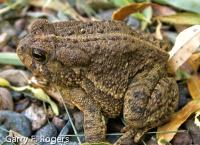
Rocky Mountain Toad

Rocky Mountain Toad

The photograph shows a palm-sized Rocky Mountain Toad.  In spring, it cries its nasal “waaah” mating call from the banks of Arizona’s streams, lakes, and temporary rain pools.  On warm moist nights, one or more of these small predators will often sit beneath outdoor lights and windows where insects congregate. Continue reading

Arizona Wildlife In Peril

Arizona Wildlife Status

There is general agreement that wildlife is declining worldwide.  Across the U. S., government agencies and private organizations have set aside millions of acres in parks, monuments, preserves, refuges, wilderness areas, and other protected areas.  The efforts have undoubtedly slowed the decline, but they have not stopped it.  The status of most small invertebrate species is unknown, but the AZ Game & Fish Department reports that 551 of the state’s 992 vertebrate species are imperiled.

Imperiled Arizona Wildlife

Continue reading